
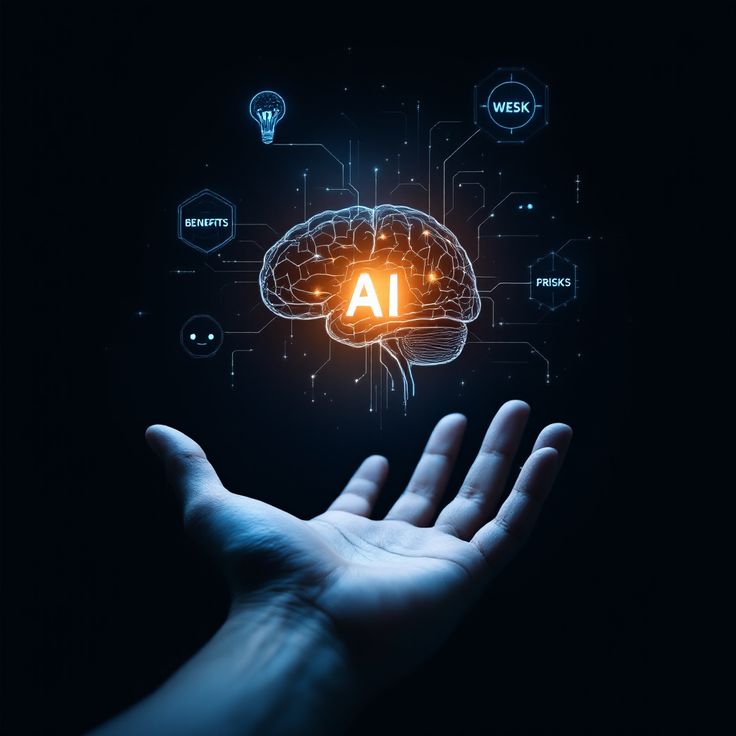
Technology is no longer just about gadgets—it’s about reshaping the way we live, work, and interact with the world. In 2025, innovations such as artificial intelligence, virtual reality, blockchain, and green tech are influencing nearly every sector of life. From healthcare to education and from businesses to personal lifestyles, digital transformation is the driving force behind progress. This article explores how technology is impacting everyday life and what the future holds for a more connected and intelligent society.
Smarter Homes and Connected Living
Smart homes powered by the Internet of Things (IoT) have become a part of daily routines. From voice-controlled lighting and climate systems to refrigerators that order groceries, technology is creating convenience like never before. Security has also improved, with smart cameras and AI-based alarm systems ensuring safety around the clock. By 2025, nearly every household device is expected to be connected, turning homes into fully automated living spaces.
The Digital Workplace Revolution
Remote work and hybrid office models have transformed the professional landscape. Cloud computing platforms and collaboration tools like Microsoft Teams, Zoom, and Slack are now the backbone of modern businesses. With the rise of automation, companies are boosting productivity while reducing costs. Artificial intelligence tools also handle repetitive tasks, freeing employees to focus on creative and strategic work. The digital workplace is here to stay, and it’s only getting smarter.
Healthcare Powered by Technology
The healthcare industry is one of the biggest beneficiaries of tech innovation. Wearable devices track heart rate, sleep cycles, and fitness levels, giving individuals greater control over their health. Telemedicine allows patients to consult doctors remotely, saving time and resources. AI is helping doctors analyze data and predict diseases before they become life-threatening. With robotic surgeries and personalized treatment plans, healthcare in 2025 is safer, faster, and more efficient.
Education in the Digital Age
Learning is no longer confined to classrooms. Online platforms and virtual reality classrooms are making education more interactive and accessible. Students from across the globe can attend the same virtual lecture, breaking down geographical barriers. Artificial intelligence provides personalized learning paths, helping students progress at their own pace. This fusion of technology and education ensures that learning becomes more engaging, inclusive, and effective.
Entertainment and Media in the Future
Streaming services, online gaming, and virtual reality have transformed entertainment. In 2025, immersive experiences like 3D concerts, VR gaming tournaments, and AR-powered movies are becoming mainstream. Social media platforms are integrating AI tools for personalized content, keeping users more engaged. Technology has not only changed how we consume content but also how we create and share it. Digital creators now have more opportunities than ever to reach global audiences.
Financial Technology (FinTech)
Banking and finance are becoming more digital every day. Mobile wallets, UPI payments, and blockchain-based solutions are making financial transactions faster and safer. Decentralized Finance (DeFi) platforms are eliminating middlemen, giving individuals more control over their money. AI-driven tools also help in detecting fraud, managing investments, and offering personalized financial advice. In 2025, cashless economies are closer to becoming a reality.
Transportation and Smart Mobility
Self-driving cars, electric vehicles (EVs), and ride-sharing platforms are redefining transportation. Cities are adopting smart traffic management systems to reduce congestion and pollution. With 5G connectivity, autonomous vehicles communicate in real time, ensuring safer and smoother journeys. Green technology is also making transportation eco-friendly, with governments supporting EV infrastructure on a large scale.
Cybersecurity for a Digital World
As we rely more on technology, cybersecurity has become essential. From personal data to financial transactions, cyber threats are growing in complexity. Businesses and individuals are adopting stronger security measures such as biometric authentication, AI-powered security systems, and blockchain-based identity verification. In 2025, staying secure online is as important as locking your doors at home.
Green Technology and Sustainable Living
Sustainability is a global priority, and technology is playing a key role in achieving it. Smart energy systems, renewable power sources, and eco-friendly gadgets are helping reduce carbon footprints. Electric vehicles and energy-efficient appliances are no longer luxuries—they’re becoming necessities. Green technology not only protects the planet but also makes sustainable living affordable and accessible.
Conclusion
Technology in 2025 is transforming everyday life in ways we could only imagine a decade ago. From smarter homes and workplaces to advancements in healthcare, finance, and education, digital innovation is creating a world that is more connected, efficient, and sustainable. As we move forward, the integration of technology into daily life will only deepen, offering countless opportunities for individuals and businesses alike.
Embracing these changes is not an option—it’s the key to thriving in the future. The sooner we adapt, the sooner we can enjoy the limitless possibilities that technology brings.